Owning a kids franchise pairs steady demand with real community impact, because families always need care, learning, meals, and enrichment for their children. The hard part is choosing among models that look similar but have stark differences in cost, schedule, seasonality, and revenue. This guide explains the main types of a kids franchise and how to weigh them, written for first-time buyers and experienced investors alike.
Key Takeaways
- A kids franchise can mean daycare, tutoring, STEAM enrichment, fitness and sports, play gyms, or seasonal programs.
- Full-day childcare brings the steadiest recurring revenue, while camps and enrichment lean seasonal or discretionary.
- Working parents and a growing population keep demand strong, and child services ranks among franchising’s fastest-growing categories.
- Clear differentiation wins enrollment, and Spanish immersion is an under-served, high-demand niche.
- Weigh startup cost, recurring revenue, franchisor support, and brand differentiation before you sign.
What Is a Kids Franchise?
A kids franchise is a business that serves children, operated under an established brand using its curriculum, systems, training, and support. In return, the owner pays a franchise fee plus ongoing royalty and marketing fees, all disclosed in the brand’s Franchise Disclosure Document (FDD).
Kids franchises cover a wide span of models. Some run full-day childcare centers, while others offer after-school tutoring, weekend sports, indoor play, or seasonal camps. Each carries a different cost and revenue pattern, which the sections below break down.
Why a Kids Franchise Can Be a Strong Investment
Demand for children’s services rests on a simple fact: most parents work. According to BLS family employment data, in 66.5 percent of married-couple families with children in 2024, both parents were employed. Those families need care and enrichment they can count on.
The franchise model itself keeps growing, owing largely to the ways it helps aspiring entrepreneurs develop their businesses. The IFA 2026 Franchising Economic Outlook reports that child services and commercial and residential services are expected to be the fastest growing industries. It also projects franchise establishments to grow to about 845,000 units in 2026.
Parents also pay a lot for care, which signals strong willingness to spend. The Care.com 2026 Cost of Care Report found that the average parent spends about 20% of household income on child care, and 78% of parents spend 10% or more.
For an owner, that steady need can turn into recurring revenue. Enrollment-based models bill month after month, which smooths cash flow and makes planning easier.
Popular Types of Kids Franchises
Kids franchises fall into a handful of categories. They differ in cost, schedule, seasonality, and how steady the revenue is, so it helps to see them side by side.
Daycare and Childcare Franchises
Daycare and childcare franchises provide full-day early care and education. Because families enroll for months or years, this model usually brings the steadiest recurring revenue of the group.
It also has the largest market of the categories here. Grand View Research projects the U.S. child care market to reach $109.88 billion by 2033. That reflects a 6.02% CAGR from 2025 to 2033, per its US child care market forecast.
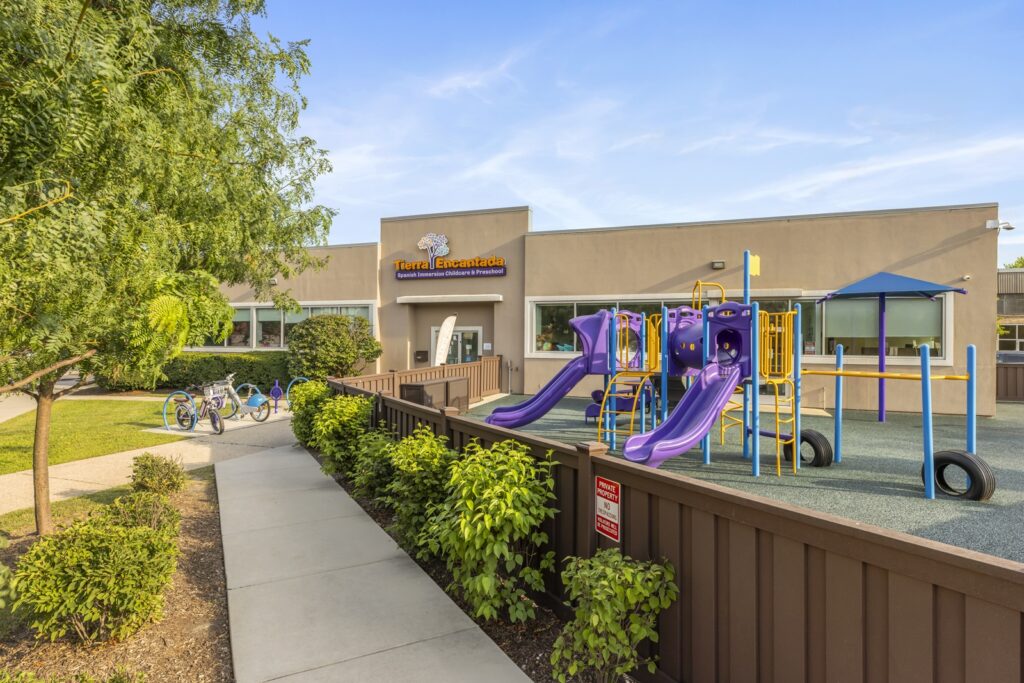
Premium early education brands can command stronger enrollment, since many parents want more than basic supervision. Tierra Encantada, for example, combines full-day childcare with Spanish immersion, play-based STEAM learning, scratch-made breakfast and lunch, and a whole-child approach to early education. For a closer look, see our guide to the top childcare franchises to own.
Tutoring and Education Franchises
Tutoring and education franchises offer academic support in reading, math, writing, and test prep. Parent demand stays strong for both school readiness and catch-up help. These businesses can be center-based or mobile, and they run on a class schedule rather than full days, so revenue depends on booked sessions.
STEAM and Enrichment Franchises
STEAM and enrichment franchises offer specialized learning experiences in science, technology, engineering, arts, and mathematics. Programs may include robotics, coding, music, creative arts, and other hands-on educational activities.
Kids Fitness and Sports Franchises
Kids fitness and sports franchises cover gymnastics, swim, martial arts, and youth leagues. Participation is climbing. Youth sports participation data from the Aspen Institute’s Project Play shows U.S. youth sports participation rose to 58% in 2024. That rebound points to steady family demand for structured activity.
Play Gyms and Entertainment Franchises
Play gyms and entertainment franchises run indoor play spaces and party venues. Revenue leans discretionary and event-driven, and it can rise and fall with the seasons. Strong location and marketing matter more here than long-term enrollment.
Kids Camps and Seasonal Programs
Kids camps and seasonal programs deliver day camps and holiday enrichment. Summer demand is strong, but revenue concentrates in a few peak periods. Startup costs are often lower, which can appeal to first-time owners.
Spanish Immersion: A Differentiated Approach to Early Education Franchising
Most categories above compete on price or convenience. Language-immersion early education competes on something harder to copy, and few franchises fill this niche. That gap is the opportunity.
Research on bilingual children summarized by Psychology Today shows they can outperform monolingual peers in attention control and cognitive flexibility.
Differentiation drives enrollment. When a brand offers something parents cannot easily find elsewhere, it earns waitlists and pricing power instead of competing on discounts.
Tierra Encantada stands out in the marketplace with Spanish immersion, play-based learning, and scratch-made meals. Our focus is on the development of the whole child through a premium learning environment that stands out from the pack.
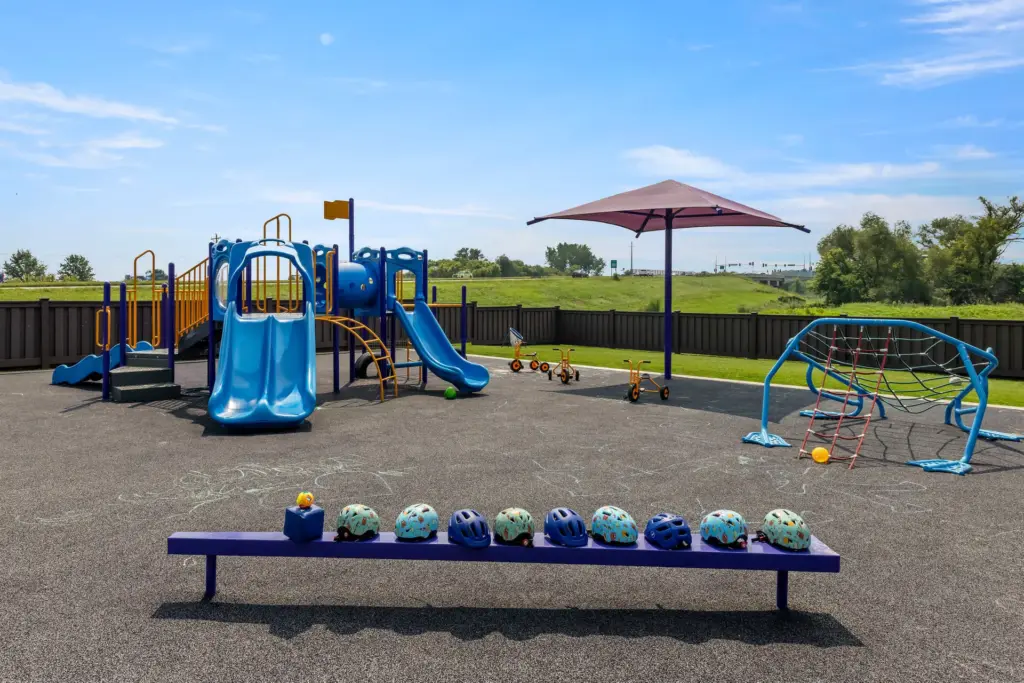
Tierra Encantada shows what that can look like. According to Tierra Encantada’s 2026 Franchise Disclosure Document, Item 19, centers open 24 or more months averaged about $2,646,924 AUV. Average EBITDA was about $546,006.
“Parents want more than childcare,” says Kristen Denzer, Founder & CEO. “They want a child to gain a second language during the years that matter most.”
Demand runs especially high in markets with large Hispanic populations, as our look at bilingual daycare demand in Florida shows. You can read more about the model in the Tierra Encantada story.
How to Choose the Right Kids Franchise
Once you know the categories, judge each opportunity against a few clear questions.
Start with cost and financing. Tierra Encantada’s 2026 Franchise Disclosure Document estimates a total initial investment of $1,552,100 to $4,503,200. Tierra Encantada’s franchise materials note that franchisees typically need at least $400,000 in liquid capital and $1 million in net worth.
Next, look at how the revenue arrives. Enrollment-based models bill steadily, while camps and play venues earn in bursts. Steady revenue is easier to finance and plan around.
Then weigh the training and support system. A strong franchisor helps with site selection, design, pre-opening, and daily operations, so you are not learning alone.
Also ask how the brand stands out. A clear difference protects your enrollment when a competitor opens nearby.
Finally, check licensing and regulatory rules. Childcare businesses are licensed at the state level. These requirements shape your timeline, staffing ratios, facility design, and cost.
“The numbers matter, but so does fit,” says Kristen Denzer. “Choose a model you believe in, because you will run it every day for years.”
Frequently Asked Questions
What is a kids franchise?
A kids franchise is a business serving children that you run under an established brand. You use its curriculum and systems for a fee plus ongoing royalties, with full terms in the brand’s FDD.
Are kids franchises profitable?
Profitability varies by model, location, and how well the center runs. Full-day childcare tends to produce the steadiest revenue, and a brand’s FDD Item 19 is the place to review real financial performance.
Do I need experience with children to own one?
No. Many franchisors, including Tierra Encantada, provide training and operational support so franchise owners without a childcare or Spanish-speaking background can run a center. What they do have is belief in providing a space for children to play, learn, and thrive.
Which kids franchise has the most recurring revenue?
Full-day daycare and childcare franchises usually lead on recurring revenue, because families enroll and pay month after month rather than per session or per season.
How much does it cost to open a kids franchise?
Costs vary widely by category and size. For Tierra Encantada, the 2026 Franchise Disclosure Document estimates a total initial investment of $1,552,100 to $4,503,200.
Build a Kids Business Families Return To
The right kids franchise pairs steady demand with a model you can commit to for the long run. Clear differentiation, like Spanish immersion early education, protects your enrollment when new competitors arrive. If you want a premium, recurring-revenue model with full training behind it, explore the franchise opportunity with Tierra Encantada.