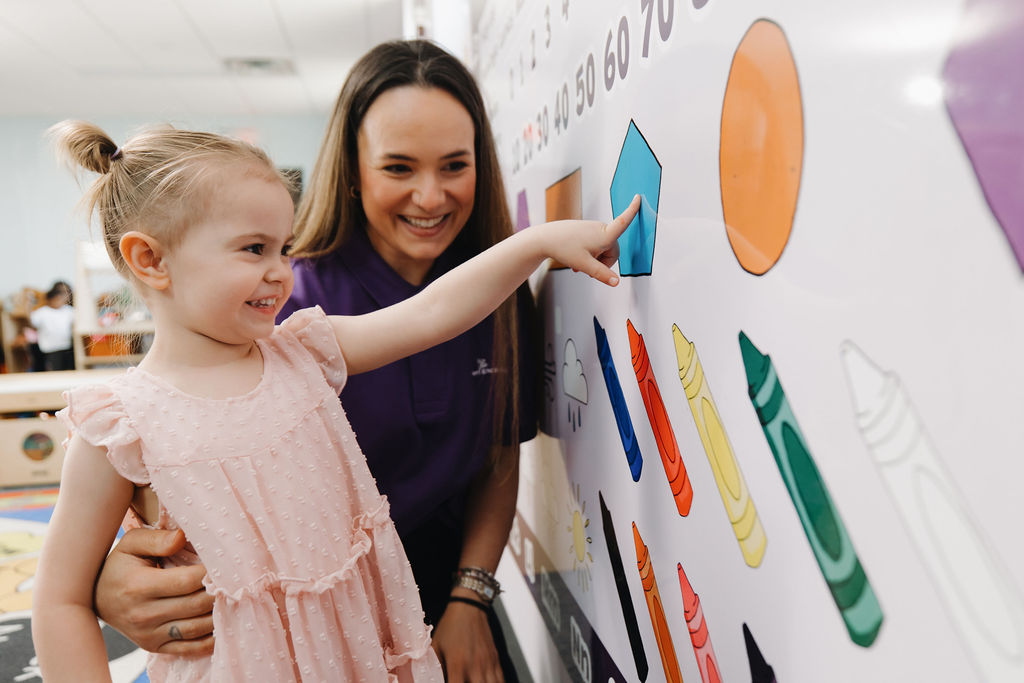
Parents want more than supervision for their children. They want early learning and school-ready skills. That demand has created many types of child education franchises, including early learning centers, tutoring, STEM programs, and Spanish immersion.
With such a great need for early childhood education, entrepreneurs are drawn to the category for its recurring enrollment and lasting community impact. This guide breaks down the main models and what to weigh before you invest. We’ll also look where Tierra Encantada and its franchise model fits within the landscape.
Key Takeaways
- Child education franchises span early learning, tutoring, STEM and enrichment, language immersion, and family-focused models.
- Demand is structural, with both parents working in 66.3% of married-couple families with children in 2025, according to the BLS.
- Costs, licensing, staffing, and facility size differ sharply by model, so your category choice shapes daily operations.
- Language immersion stands apart as its own type, tied to growing bilingual demand and specific cognitive research.
- The Franchise Disclosure Document (FDD) holds the real numbers on investment and fees, plus any financial performance figures.
What Is a Child Education Franchise?
A child education franchise is a business that delivers education or childcare services for children under an established brand. The owner uses the franchisor's proven curriculum and operating systems instead of building a program from scratch.
That structure is the main difference from running an independent center. An independent operator designs everything alone, while a franchisee follows a proven model and receives training and operational help, including marketing. For many first-time owners, this franchise support lowers the risk of entering a licensed, regulated field. It also provides building blocks for future expansion.
Why Child Education Franchises Continue to Grow
Demand for child education franchises rests on lasting family needs. Families need reliable care and early learning, and they spend heavily on it. Care.com's 2026 Care.com Cost of Care Report found that 78% of parents cite spending 10% or more of their household income on child care.
Dual-income households are a core driver. Both parents were employed in 66.3% of married-couple families with children in 2025, according to the Bureau of Labor Statistics. Those families need dependable care during the workday, year after year.
The market behind that need is large and growing. Grand View Research projects the U.S. child care market to reach $147.2 billion by 2033, growing at a 7.0% CAGR from 2026 to 2033.
Franchising's child-services segment is expanding within that market. Child services ranks among the fastest-growing franchise industries in 2026, at 3.2% projected year-over-year output growth, according to the IFA 2026 Franchising Economic Outlook. That presents a natural business opportunity for the aspiring franchise owner who wants to make a difference.
The Main Types of Child Education Franchises
Not all child education franchises operate the same way. The category splits into several models that serve different ages and budgets.
Understanding these types helps you match a concept to your goals and your local market. Compare the models below on the space, staffing, regulation, and cost each one demands, since those factors drive both your investment and your daily work.
Early Childhood Education and Childcare Centers
Early childhood centers anchor the category. They serve children from infancy through preschool and blend daily care with age-appropriate learning. That makes them part of a family's routine through recurring enrollment.
This model carries the most structure. It requires state licensing and larger facilities staffed by trained educators, though a strong franchisor playbook can reduce the licensing burden by eliminating questions and ensuring preparation.
To compare brands in this space, see our guide to the top daycare franchises to own.
Tutoring and Academic Support
Tutoring shifts the model toward academics. These franchises help students strengthen reading, math, writing, and test preparation, usually on a smaller footprint with lighter regulation than a full center.
Enrollment often follows the school calendar. Demand can rise around exams and dip over breaks. This seasonality shapes staffing and cash flow across the year.
STEAM and Enrichment Programs
Like tutoring, STEAM and enrichment franchises run lean, but they center on hands-on projects. They teach robotics, coding, science, engineering, and the arts outside the traditional classroom. Many run as mobile or flexible-footprint programs inside schools and community sites such as camps.
These programs supplement school rather than replace it. Parents use them to build specific skills and interests, often as after-school or weekend activities.
Language Immersion Programs
Language immersion brings the model back to full-day, center-based care. Immersion franchises teach a second language the way children learn their first, through daily play and conversation. That makes immersion different from a supplemental language class, where a child studies the language for an hour a week.
Demand here tracks demographics. Pew Research Center reports that Hispanics made up 20% of the U.S. population in 2024, up from 13% in 2000.
The appeal goes beyond demographics. Bilingual children tend to outperform monolingual peers in specific areas, according to research on bilingual children in Psychology Today. Those areas include task-switching and other executive-function skills such as attentional control and cognitive flexibility.
That same article adds an important caveat. It stresses these gains are task-specific and not automatic.
This is where Tierra Encantada's model sits. The brand pairs Spanish immersion early education with whole-child STEAM learning and scratch-made meals prepared onsite.
"Immersion works because children absorb a second language through their normal day of play and conversation," says Karen Garrett, Director of Franchise Development at Tierra Encantada.
Family-Focused and Recreational Concepts
The broadest model blends several of the approaches above. Family-focused and recreational franchises combine childcare with enrichment, fitness, arts, or parent-facing services, and they appeal to busy families who want convenience in one place.
These concepts can carry seasonality or specialized-facility costs, such as gyms or play equipment. That changes the investment profile compared with a classroom-based center.
Child Education Franchises vs. Traditional Childcare
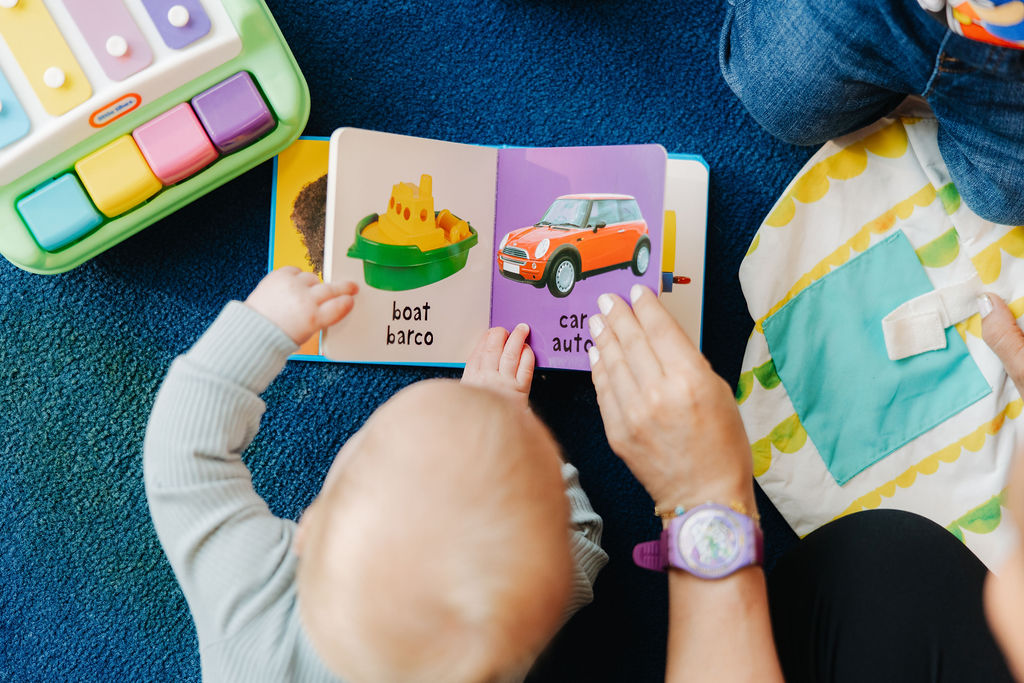
Traditional childcare centers focus on safe, dependable care during working hours. Child education franchises add learning and enrichment on top of that care, and many blend both.
This distinction shapes operations and staffing, and it changes what parents expect. A learning-focused center hires for teaching skills and follows a curriculum, so parents expect measurable development. Premium, differentiated models tend to sit at the higher-trust end of that spectrum.
What to Consider Before You Invest
Costs vary widely across types of child education franchises, so the category you choose drives your budget. Before you commit, read the Franchise Disclosure Document, the legal document every franchisor must provide. The FDD is the source of truth for investment, fees, financial performance, and other terms.
Tierra Encantada is one example. According to the 2026-27 Tierra Encantada FDD, the brand discloses these figures:
| Item | Figure | FDD reference |
|---|---|---|
| Estimated initial investment | $1,552,100–$4,503,200 | Item 7 |
| Initial franchise fee | $48,000–$60,000 | Item 5 |
| Royalty fee | Greater of 7% of gross sales or $500 per week | Item 6 |
| Brand fund fee | 1% of gross sales | Item 6 |
Some franchisors also publish unit economics. Others do not. Item 19 of the same FDD shows Tierra Encantada's own performance. For centers open 24 months or more, it reports average unit volume of $2,646,924 and average EBITDA of about $546,000.
"Read Item 7 and Item 19 together before you fall in love with a brand," says Karen Garrett, Director of Franchise Development at Tierra Encantada. "The investment range tells you what you will spend, and the financial performance representation tells you what mature centers have earned."
For a walk-through of launching an early education center, see how to start a preschool franchise.
How to Choose the Right Child Education Franchise
Once you know the types, a short checklist helps you compare specific brands:
- Local demand for the model in your target market
- The brand's differentiation and reputation
- The depth of franchise training and support
- Help with licensing and site selection
- Long-term growth potential and multi-unit options
- Personal fit with the brand's mission and culture
Reputation and trust carry the most weight in this category, because parents choose with their children in mind.
Frequently Asked Questions
What is a child education franchise?
It is a business that provides education or childcare services for children under an established brand, using the franchisor's curriculum and support.
What are the main types of child education franchises?
The main types include early childhood and childcare centers, tutoring and academic support, STEM and enrichment programs, language immersion, and family-focused or recreational concepts.
Are child education franchises profitable?
Profitability depends on the specific model and how well the center is run. The FDD's Item 19 is the only reliable place to review a brand's financial performance figures.
Do I need experience or a Spanish-speaking background to own one?
No, you do not need a Spanish-speaking background to own a Tierra Encantada center, which provides the training and support to run it. See more in the childcare franchise FAQs.
How much does it cost to open one?
Costs vary by model, but for one example, the 2026-27 Tierra Encantada FDD lists an estimated initial investment of $1,552,100–$4,503,200 in Item 7.
Investing in a Child Education Franchise With Confidence
Child education franchises pair durable demand with real community impact. Working families need care and learning, and the market behind that need keeps growing.
The right type depends on your goals and the local market you want to serve. Early learning, tutoring, STEM, immersion, and family-focused models each ask for different investments and skills.
If you want a differentiated model with disclosed unit economics, explore the Tierra Encantada franchise opportunity and see whether it fits your plans.